The District Five Insider is a newsletter about the big decisions making their way through the City Council, what they mean for District Five, and how you can get involved. Enter your email and click subscribe to receive this newsletter in your mailbox.
Wednesday May 21, 2025
ONE BIG THING: Shaping UNE’s Growth in District 5
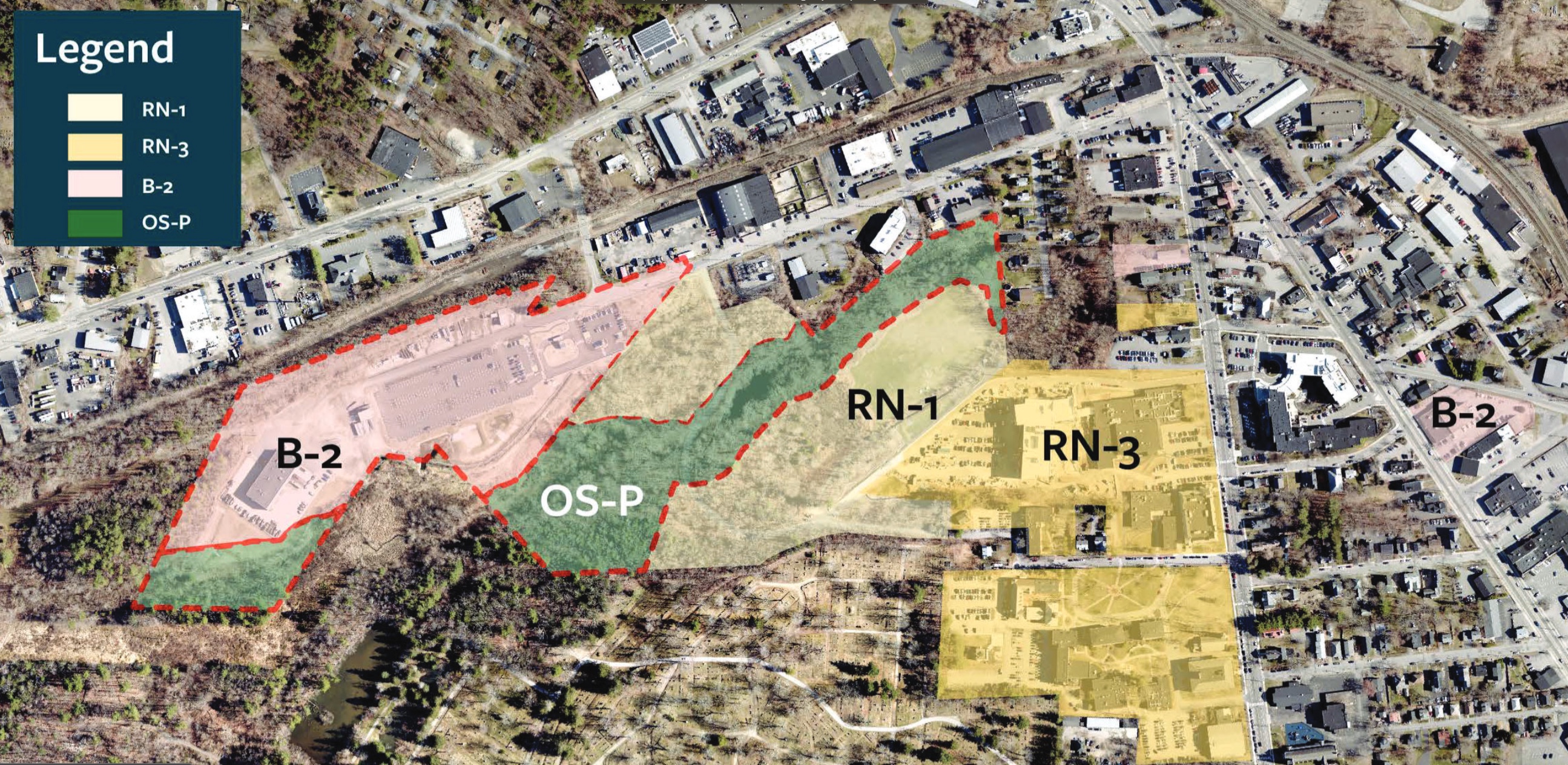
This week, the Council approved the University of New England Institutional Overlay Zone (IOZ), granting UNE long-term development rights over more than 70 acres in the Deering neighborhood. The zone creates a cohesive plan for UNE’s Portland campus and opens the door for projects like student housing for the medical school, transforming what has long been a commuter campus into a vibrant residential hub. It ensures that future development happens within a shared vision, not parcel by parcel.
Councilor Bullett and I also introduced an amendment—passed unanimously—to expand environmental protections along Capisic Brook, permanently safeguarding water quality and green space in one of Portland’s most climate-vulnerable watersheds.
At the same meeting, I introduced a resolution urging the Council’s Finance Committee to finalize a long-overdue PILOT (Payment in Lieu of Taxes) policy to address the growing footprint of Portland’s tax-exempt institutions.
Why It Matters
The UNE IOZ marks the third major zoning entitlement on tax-exempt land in recent years, following approvals for MaineHealth and the Roux Institute. These institutions now occupy vast sections of the city but are exempt from paying property taxes toward the infrastructure and services that sustain them. They benefit from zoning approvals, public infrastructure, emergency response, and long-term planning, but the cost is shifted onto working people, renters, and small businesses.
According to the City Assessor’s Office, approximately $3 billion in Portland property is currently tax-exempt, representing over 20% of the City’s potential tax base.
Meanwhile, property taxes are climbing. School budgets are growing. State reimbursements are uncertain. We are asking more from Portlanders while allowing some of the city’s largest landholders to grow without giving back.
A PILOT program offers another way, one that treats growth as a shared civic responsibility. It’s a model where prosperity is reinvested in the communities that make it possible, and it works in other cities.
Boston’s PILOT program generates over $30 million annually, using a fair formula based on property value and municipal service use, with credits for real community benefit. Portland has drafted a similar framework, but has yet to enact it.
It’s time to move forward with a model that matches our values and invests in our shared future.
Four Quick Hits
- School Budget Passed: We protected vital school programming under fiscal pressure. A win for stability and equity.
- Brighton Ave RFP Approved: The Council advanced affordable housing on city-owned land near the Barron Center. The debate, whether to prioritize family or elder housing, revealed how austerity forces us to choose between needs. I look forward to exploring new tools to build public equity in housing through the Social Housing task force so we can build housing for everyone.
- Cannabis Loopholes Fixed: Retailers can now prepare non-alcoholic beverages onsite. A simple change that helps small businesses thrive on equal terms.
- Minimum Wage Ballot Initiative Moves Forward: The Housing & Economic Development Committee approved a ballot measure that would finally include City workers, ending their exclusion from the 2020 wage hike and taking a stand for wage equity across sectors.
What Comes Next
The minimum wage initiative is a step toward fairness. But already, we’re seeing calls to carve out nonprofit employers, a move that would recreate the very inequity we’re trying to correct.
Let’s be clear: under that amendment, someone washing dishes in a non-profit senior home could be paid less than someone doing the same job in a restaurant—same work, same hours, less pay—just because of who signs the paycheck.
This is the logic of austerity: divide workers by sector, business size, or job title, and ask them to fight over what’s left.
But we know another way.
We can build a city where no one is carved out. Where wages are dignified, housing is abundant, and growth is shared. The work continues, and we’ll keep doing it together.

ksykes@portlandmaine.gov 207-558-5764
Notice: Under Maine law, documents – including e-mails and text messages – in the possession of public officials or city employees about government business may be classified as public records. There are very few exceptions. As a result, please be advised that what is written in a text message or e-mail could be released to the public and/or the media if requested.
 Kate Sykes for District Five